










DAVID MAIR
Staff Writer
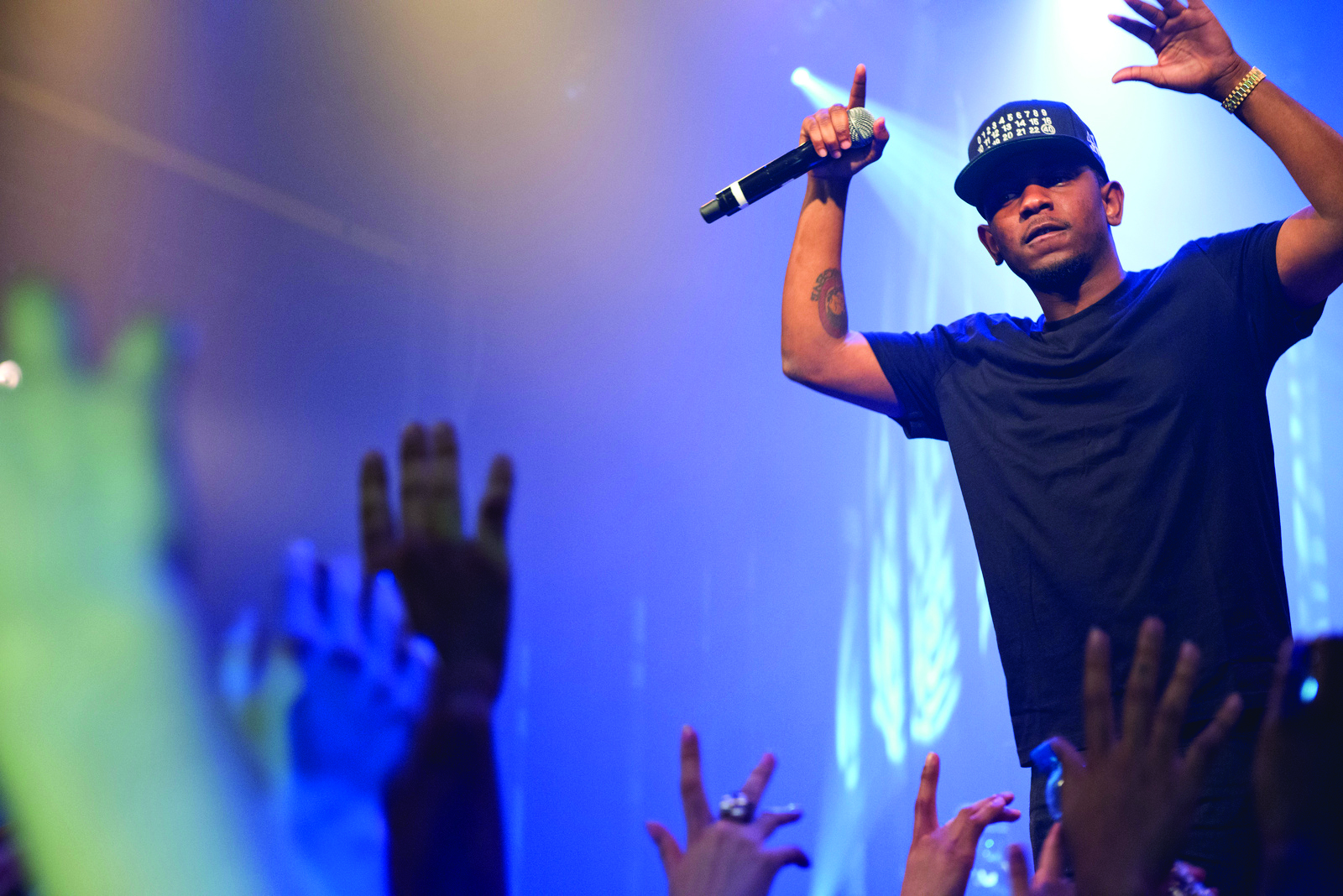
The second album of rapper Kendrick Lamar is just as politically driven as his first, though this time with a stronger jazz/funk influence.
“To Pimp a Butterfly” is the follow up album to Lamar’s 2012 album “Good Kid, Mad City.”
“To Pimp a Butterfly” is a fluid story of how Lamar views the way blacks struggle in America today and how he, as a black artist from Compton, Calif., fits into it all. In contrast, his previous album was a snapshot of a night from Lamar’s childhood.
He acknowledges that the issue of race is not because of any one person or group. It’s a collective issue.
For example, in “u” he takes a look at himself practically screaming, “You ain’t no brother, you ain’t no disciple, you ain’t no friend / A friend never leaves Compton for profit or leaves his best friend.”
His response to this comes in a later track titled “i,” where he builds on the mantra of “I love myself.”
The theme of the album is incredibly important because of the recent shootings of black men by police officers.
Lamar points to the government in “Hood Politics,” rapping, “From Compton to Congress / Set trippin all around / Ain’t nothing new but flu of man DemoCrips and ReBloodicans / Red State versus a Blue State, which one your given? They give us guns and drugs, call us thugs.”
The cleverness in his writing is shown through poem he reads one line at a time following each song, culminating in the last track, “Mortal Man,” where he reads the poem in full.
One metaphor Lamar uses is that of a caterpillar becoming a butterfly.
Lamar then proceeds to discuss the poem with legendary rapper Tupac Shakur by using old interviews that applied to his poem and questions he asks of Tupac.
Lamar explains that a caterpillar is “prisoner to the streets that conceived it” and the way for it to survive is to “consume everything around it.”
As the caterpillar enters its cocoon it’s trapped, “no longer [able] to see past his own thoughts.”
When the butterfly finally emerges it “sheds light on situations never considered before by the caterpillar.”
It’s clear by the end, the album was Lamar reading Tupac a poem, explaining why he wrote the poem, and hoping that Tupac could give him perspective on his position in the music industry.
The musicality of the album is a 180 of what Lamar did in “Good Kid, Mad City,” in addition to being different than the beats used by many popular rappers today.
Lamar approached “To Pimp a Butterfly” from a completely different angle musically. He took it back to the first days of hip-hop using free jazz and funk.
During a Rolling Stone interview, he said that he had been listening to a lot of Miles Davis, along with Parliament.
In the same interview, his producer and long time friend Mark ”Soundwave” Seals said that “[Lamar] talks in colors all the time: Make it sound purple! Make it sound light green!”
The artistic decision Lamar made to have a large jazz influence sets the album apart from other rap albums produced today. It also created a chill, funky feel that complements the politically driven story.
The album presents a political message in such a poetic manner with music that makes any listener want to groove.