









Author’s note: Last April, I published an opinion article about the Visiting Writer Series at PLU. I argued that the program had declined in quality and benefits to students over its 20-year run, but that increased funding could help maintain it. Read “The Decline of PLU’s Visiting Writer Series” at mastmedia.plu.edu for more information.
One of my main concerns with the Visiting Writer Series (VWS) in 2025 is that it no longer allows English students to form connections with working writers. Twenty years ago, students could engage with the writer in a small group setting called “The Writer’s Story.” Through this, students could ask the writer about both the creative and publishing processes. They could connect with writers of underrepresented identities. Now, the VWS is no different from a guest reading at any bookstore — and this was not what the program founders intended.
After the first VWS event this year, I have a new solution that would not require the English department to use any more funding.
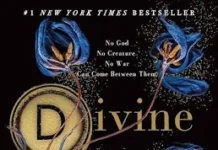
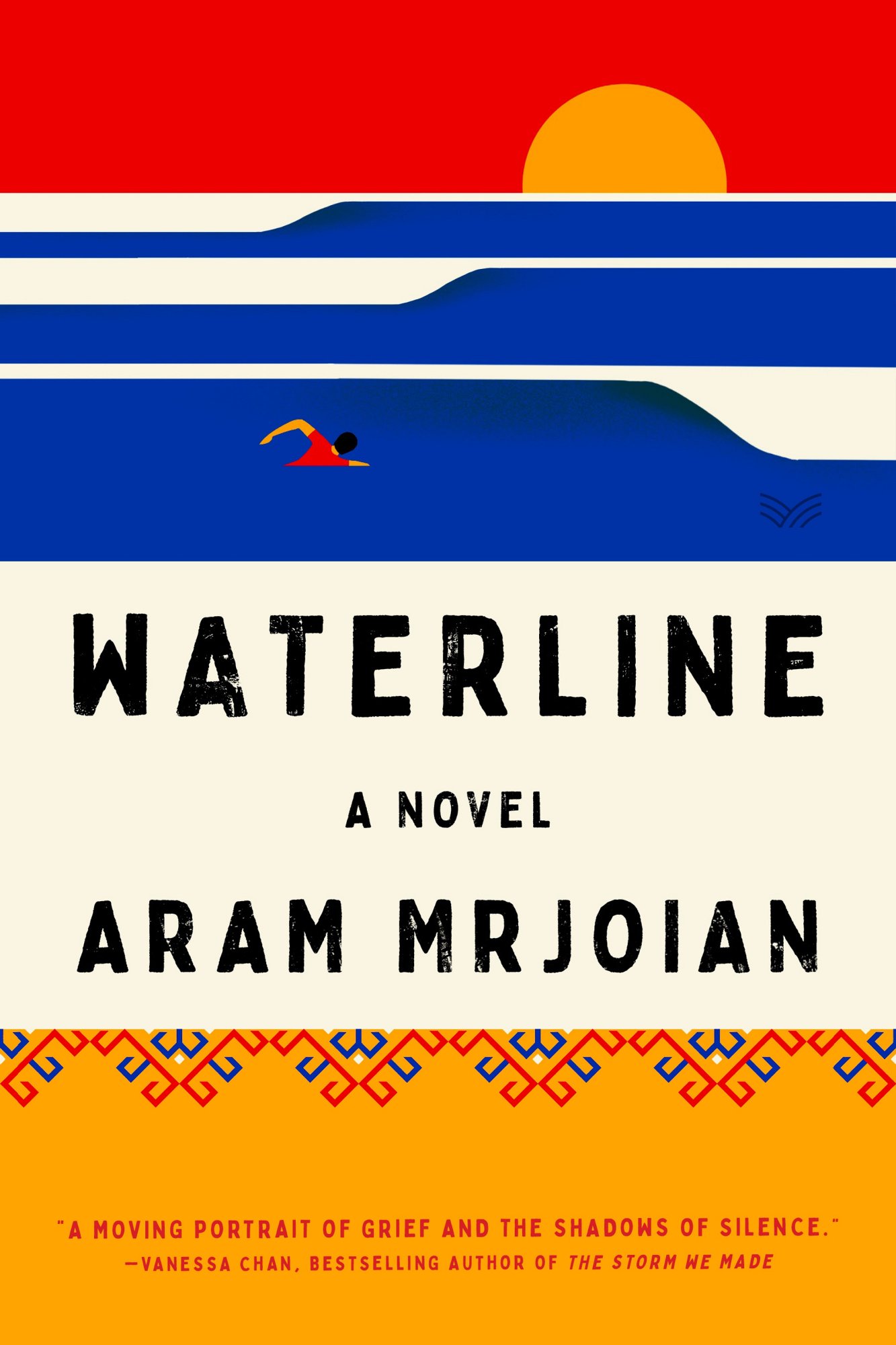
This semester, on October 6, the English department brought Armenian-American writer Aram Mrjoian to PLU to read from his new book Waterline. Mrjoian is familiar with PLU; he used to be a visiting assistant professor, currently serves on the faculty of the Rainier Writing Workshop, and is friends with VWS founder Rick Barot.
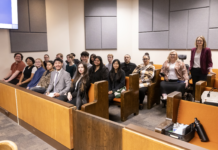
On the same day, Mrjoian also visited Professor Erin Strubbe’s intermediate fiction writing class. We read Waterline in the week leading up to Mrjoian’s visit and had already had one class discussion on it. I was blown away by how much we were able to discuss with Mrjoian in just a 90-minute class session. The conversation ranged from his experience writing the book to how to get a literary agent and how to take criticism in revision. While he stressed the importance of revision, Mrjoian also encouraged us to know what is nonnegotiable in our work. “Don’t feel like you have to kill all your darlings,” he said. “Some of your darlings deserve to live and thrive.”
This is a perfect way to give English students more from the VWS.
If a visiting writer in any semester specializes in a genre that is offered that semester, let them visit that class! Intermediate poetry writing is offered every fall, the English writing capstone is offered every spring, and introduction to creative writing is offered every semester and J-term. I’ve taken two classes with Barot so far; he always assigns readings from visiting writers’ repertoires and requires his students to attend the events. Take this learning a step further and let students learn from them in a small-group setting.
If one of the benefits of PLU is having small class sizes, wouldn’t this be of more benefit to students than the VWS as it currently stands?
The VWS used to do more for PLU’s English students. Though they also used to have more funding, there is still a way to benefit English students without increasing the VWS budget. Simply, let the students talk to the writers. I guarantee English students will get so much more out of the VWS.