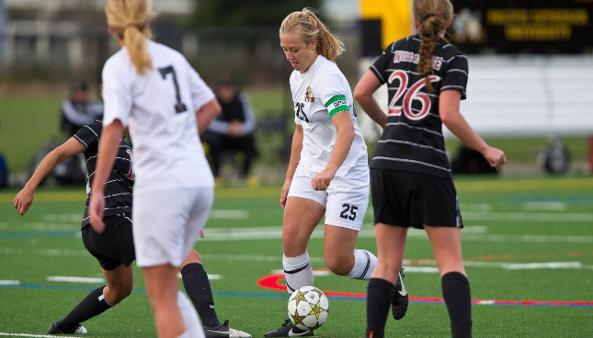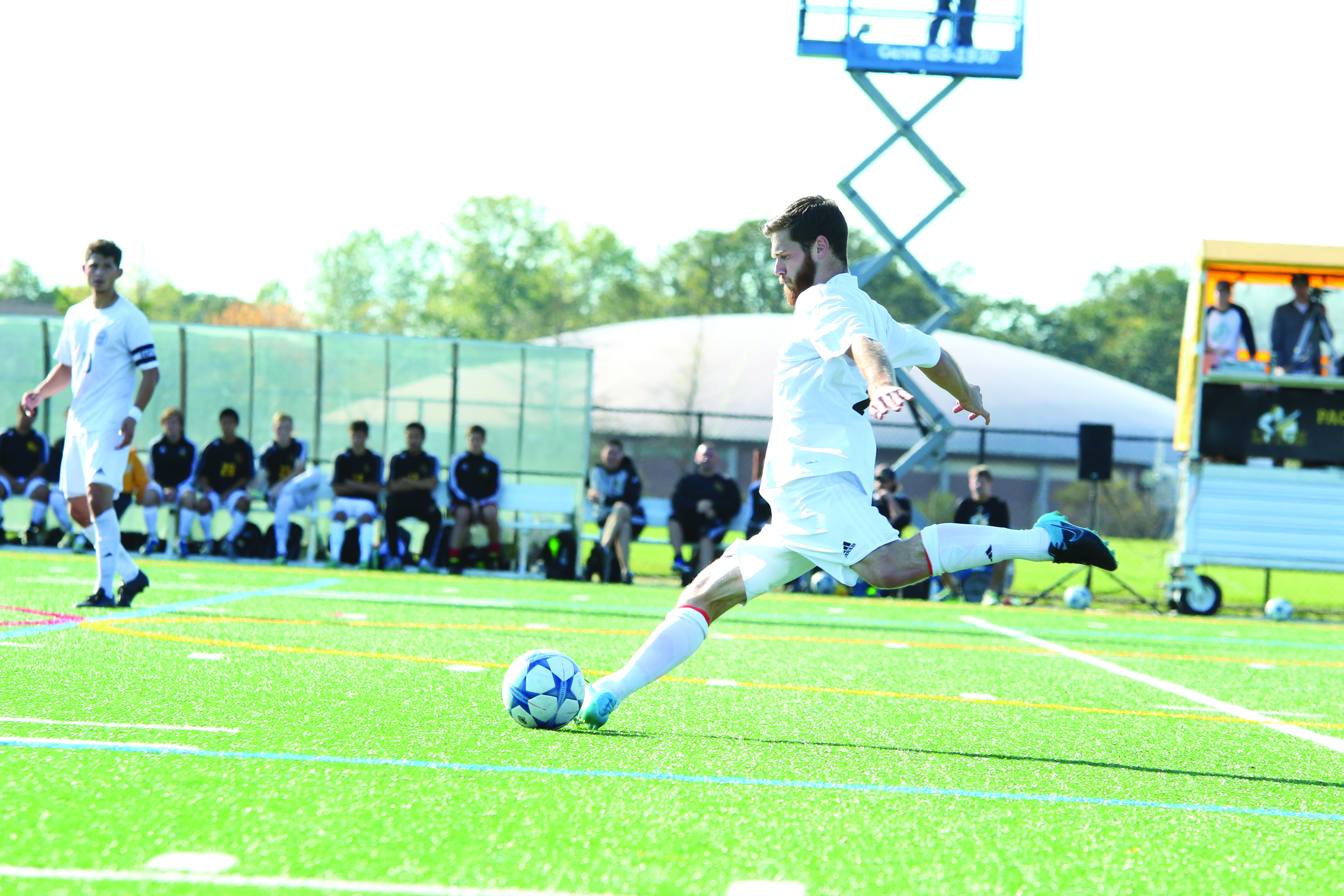












Balancing academics and athletics is a unique experience for student athletes. While every student juggles classes, homework, and social life, participating in collegiate sports adds another demanding layer. The transition to being a full-time student and athlete can be overwhelming and difficult to navigate. A few PLU men’s and women’s soccer players shared tips on how they manage the school-sport balance.
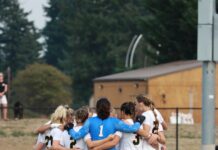
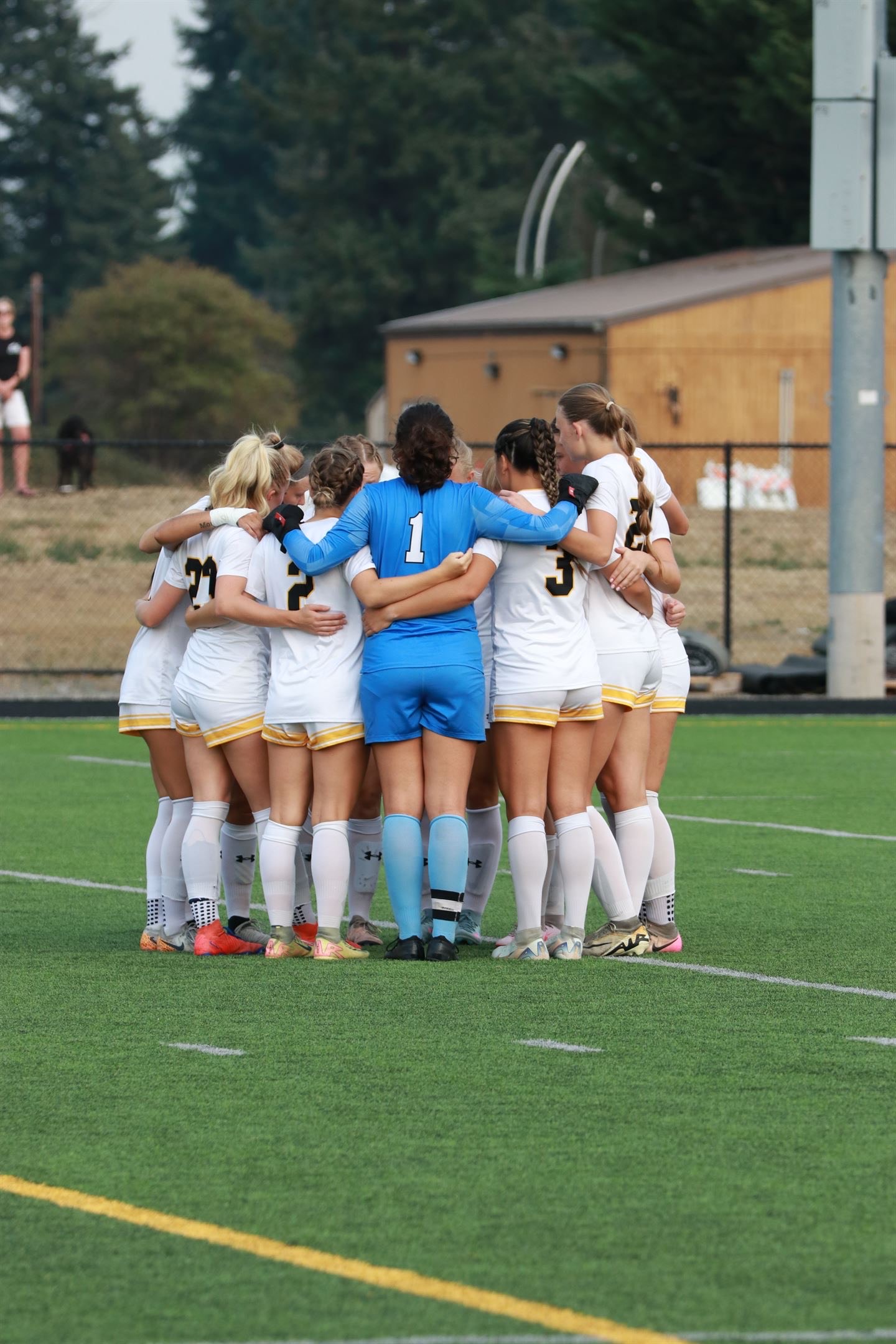
The Women’s soccer team is a high performing team both on and off the field. Earlier this year they were named team of the year for the 2024-2025 season after keeping a high GPA and finding success on the field. Historically both the men’s and women’s soccer teams have had success on the field. The men’s team has made it to the NCAA tournament every year since 2018 and the women’s team since 2019.
Abby Winkler, a biology major and women’s soccer goalkeeper, pointed out that missing class is one of those hardships. “Time management is huge. Going to class is important; it’s way easier to just do it in class than try to make it up,” Winker said. Athletes have expectations both in the classroom and on the field. Occasionally games and classes coincide and coursework is required to be taken on the road.
Connor O’Brien, a business finance major and men’s soccer center midfielder, also drew attention to the time difficulties athletes face. Games, practice, team meetings, class, homework, travel, and maintaining a social life are all aspects athletes need to balance, and finding the scheduling to juggle, and fitting it all into their schedules takes time and effort. O’Brien said he uses a “notepad or a sticky note, and I write down every single thing that I have to do for the entire week, and I do that on Sundays.”
Alvin Kamau, a kinesiology major and men’s soccer left back, brought up that at times it’s hard to just do tasks because of being tired from practice or class. Kamau mentioned that it is difficult to find the balance between when to be productive and when not to be. Kamau likes to split his day into thirds: “So I have morning class, afternoon practice, and evening homework.”
Even with these obstacles, the soccer players shared advice on how to manage the balance of athletics and academics. There are many different methods and approaches to balancing school and sport, and O’Brien recommends trying out different ones to try to find one that works best for each individual. Kamau recommends: “Find rhythm because I feel a lot of us athletes work very well with rhythm, and when we have our days and schedule set out.” Winkler advises trying Google Calendar or making a to-do list. She also suggests “using your teammates as support.” From seeing them at practice, having class with them, and traveling for games, teammates are some of the people student athletes spend the most time with, and they go through many of the same experiences. O’Brien shared advice: “One big thing our coach always says is how you do one thing is how you do everything, so don’t cut corners, don’t forget to take care of yourself, and the rest will fall into place.” From practice to class, from game time to homework time, discipline and consistency help maintain routines and can often be connected from the field to the classroom.
Despite all the hardships that athletes face, there are many ways to manage them. The balance between school and athletics is just one of those challenges that athletes need to learn to manage. Staying consistent on and off the field, finding balance and rhythm in and out of season, trying different strategies and trusting the process are all learning curves. Balancing school, practice, homework, and games takes effort, but as Kamau reminds everyone, it’s just as important to not “forget to have fun too.”